What is Blank Sailing?
Understand Logistics & Freight
There are many factors that influence the functioning of maritime transportation and may impact the vessel’s arrival at its destination. One of these factors is blank sailing, something that is rather common in ocean freight and all shippers must be aware of this possibility.
If you’re not quite familiar with blank sailing and what it could inflict on your shipment, continue reading to find out more!
The schedules of cargo ships
Before we talk about blank sailing, we first must understand how exactly an ocean shipping vessel operates.
Cargo ships practically always sail on a fixed schedule, with predefined dates of departure and arrival, as well as stop points between the origin and the destination. The ship’s schedule is usually what settles which shipments the vessel will carry, since freight forwarders or the shippers themselves choose the ships in accordance with where they will pass through, fitting their demands in that existent schedule.
Blank sailing
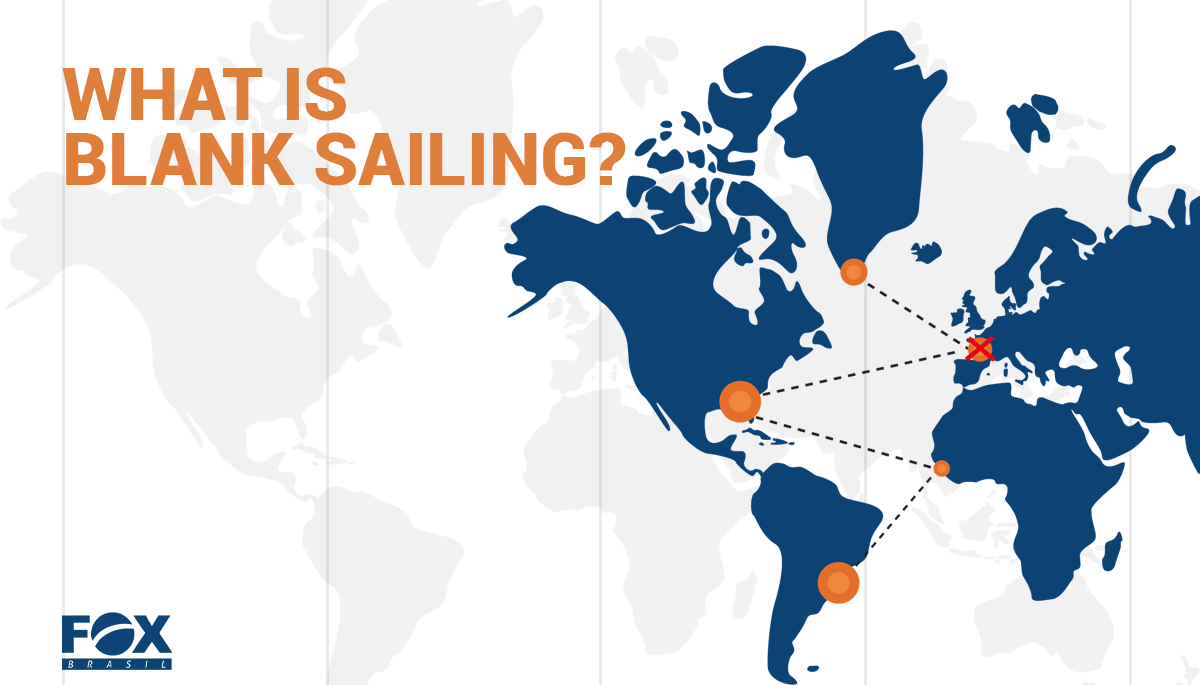
It is the term used to describe a situation where a ship skips one or more of the ports in the scheduled route, and that can happen due to many different reasons: Bad weather that could compromise the vessel, port strikes that could cause extensive delays as well as congestions, unexpected repairs or even other factors that may cause a carrier to skip a port in order to maintain the rest of the schedule as close to the original plan as possible.
What does it cause?
Mostly, blank sailing causes delays, which can lead to money loss, and a rise on the freight costs. If your shipment was supposed to be delivered at a port that has been blank sailed, it will have to wait until the next vessel with the same destination and available space arrives, and this may result in demurrage and detention charges.
How can it be prevented?
Even though the carrier usually tries to inform the shippers in advance, it is not possible to actively stop your shipment from being impacted by blank sailing. What can be done is diminishing the negative outcomes of this situation by being prepared for it, with a good crisis management system that may include backup transportation methods, as well as a safety stock of your products.
Having a freight forwarder at the frontline of your operation is usually the best possible decision since they are experienced professionals in freight transportation which makes them better equipped to handle all sorts of unprecedented situations such as these.
 EN
EN  PT
PT